

Along what was once the bustling path of Route 66 sits Picher, Oklahoma — a town that rose quickly on the promise of mineral wealth and collapsed under the weight of its own contamination. Founded in the early 1900s after rich deposits of lead and zinc were discovered, Picher became one of the most productive mining towns in the Tri-State Mining District, which spanned parts of Oklahoma, Kansas, and Missouri. During World War I and World War II, the town’s mines supplied a significant portion of the lead and zinc used in bullets and other wartime materials. At its peak in the 1920s, more than 14,000 people lived there. Schools, churches, businesses, and neighborhoods flourished.
Mining companies tunneled extensively beneath the town, removing millions of tons of ore and leaving behind a labyrinth of unsupported underground shafts. Above ground, they piled up mountains of mining waste known as “chat” — crushed rock laced with lead and other heavy metals. For decades, little thought was given to environmental safety. Children played on the chat piles, families used the material in driveways and construction, and toxic dust drifted through the air.
When mining operations ceased in 1967, the companies left behind a destabilized landscape and no meaningful cleanup plan. Abandoned shafts began filling with water contaminated by heavy metals. The ground slowly weakened. In the late 1970s and early 1980s, studies revealed alarming levels of lead poisoning in local children, causing developmental and neurological damage. In 1983, the area was designated part of the Tar Creek Superfund Site, one of the nation’s most hazardous environmental cleanup zones. Despite remediation efforts, contamination remained widespread, and the structural integrity of the town continued to deteriorate. By the early 2000s, the situation had grown untenable. Streets buckled, homes sank, and sinkholes opened without warning. Federal and state officials offered buyouts to residents, acknowledging that fully restoring the town was nearly impossible. Many families reluctantly accepted and relocated, leaving behind empty houses and shuttered storefronts. Then, in May 2008, a powerful EF4 tornado tore through Picher, destroying much of what remained and claiming several lives. The disaster accelerated the town’s final chapter. In 2009, Picher was officially disincorporated, and the last remaining residents eventually departed.
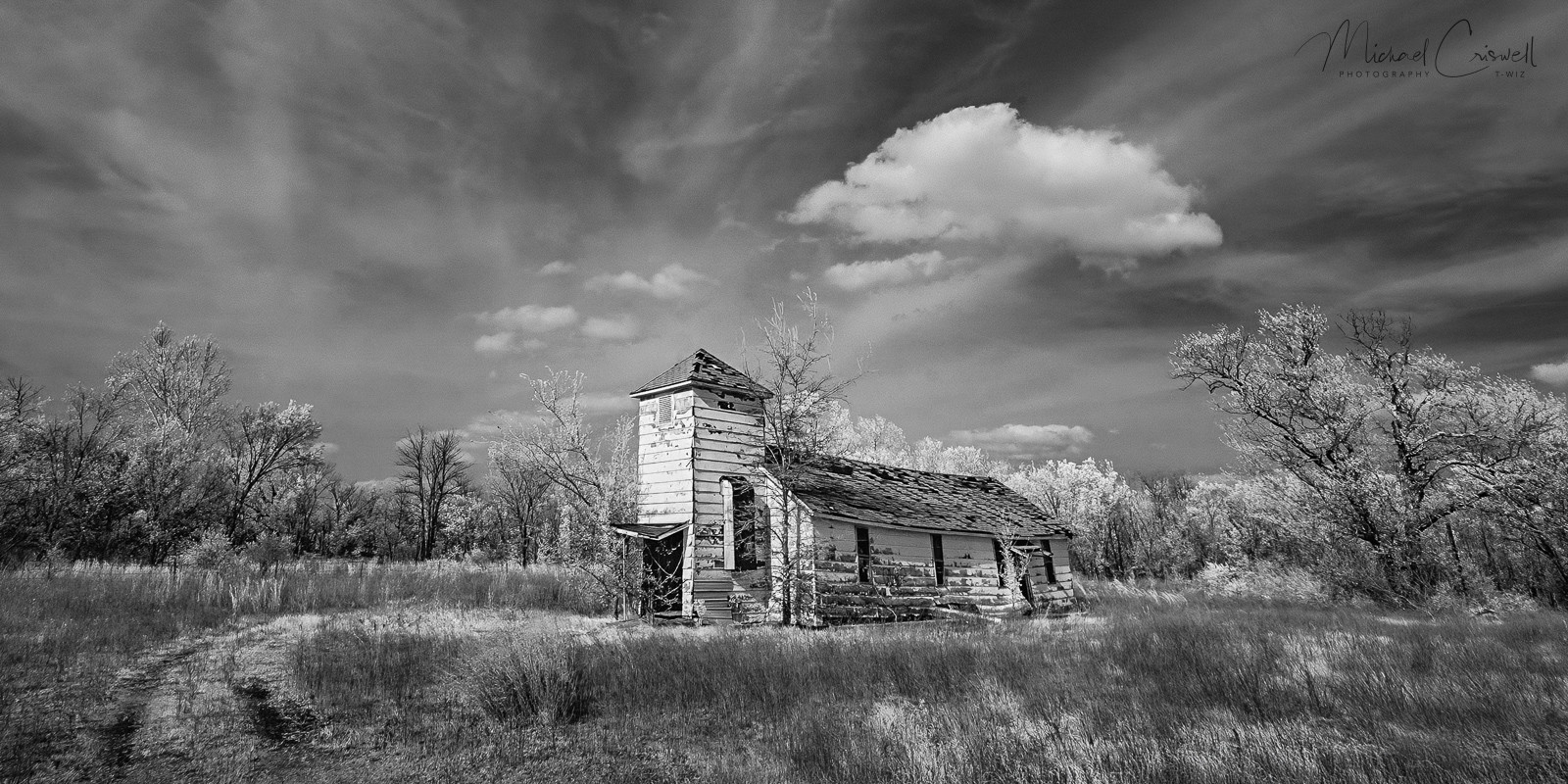
Today, Picher stands largely abandoned — a haunting landscape of silent streets and towering chat piles that still rise against the Oklahoma sky. It remains one of the most notorious environmental disaster sites in the United States, a stark reminder of the long-term consequences of unchecked industrial exploitation. The land continues to undergo cleanup and reclamation efforts, but the community that once thrived there exists now only in memory, a cautionary tale etched into the soil of Route 66.
Thanks for stopping


Bob
10 Mar 2026Good job with this! Love the wide view. Also, kudos for doing way more research than I did! I had no idea what town this was in.